
4th Nov 2025
The Essential Guide to Starting a Butchers Shop
Starting a butchery can be a rewarding way to build a profitable, hands-on business rooted in community and quality food production. From artisan butcher shops to commercial operations, the sector remains steady because fresh meat is a staple in homes and hospitality.
If you’re considering setting up a butchery, this guide answers the most common questions from new business owners. from licences and start-up costs to profit margins, risks, and equipment essentials.
Is butchery a profitable business?
A well-run butchers can be highly profitable. Profitability depends on your location, pricing strategy, and how efficiently you manage costs. Butcher shops that focus on premium products, local sourcing, and excellent service often enjoy strong customer loyalty and consistent sales.
Profit margins vary, but many independent butchers aim for 20–40% on fresh meat and 10–15% on processed products like sausages or pies. Controlling waste, negotiating good supplier rates, and maintaining top hygiene standards are key to sustaining profits.
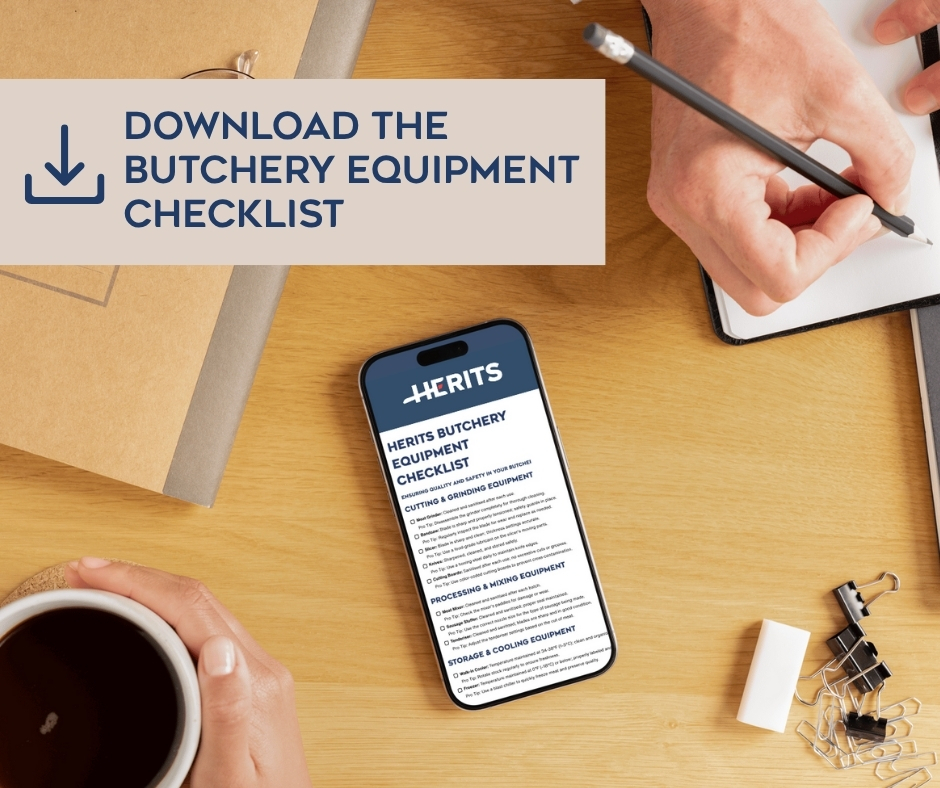
What equipment do you need for a butcher shop?
Setting up a butcher shop requires the right space, commercial kitchen equipment, and legal compliance. The essentials include:
- Refrigeration units for storing meat safely.
- Commercial freezers for bulk stock.
- Butcher blocks and cutting tables made from food-grade materials.
- Scales, slicers, and grinders for preparation.
- Vacuum sealers and packaging tools.
- Display counters with temperature control.
- Knives, saws, and sharpening tools.
- PPE and cleaning equipment for hygiene.
Herits supplies a wide range of commercial butchery equipment and refrigeration, including refurbished options that meet professional standards while reducing start-up costs.
How to start a small butchery business
Start with a clear plan that covers your business model, budget, and market.
Research your local market
Visit other butcheries, study pricing, and identify gaps such as specialty meats or prepared products.
Choose a good location
Visibility and accessibility are essential. High-footfall areas near food markets or residential zones work well.
Secure the right premises
It must meet food safety and storage regulations, with enough space for preparation, storage, and display.
Get licensed
Register with your local council’s environmental health department before trading.
Buy your equipment
Prioritise refrigeration, display counters, and cutting tools.
Find suppliers
Work with local farmers or wholesalers to ensure a steady supply of quality meat.
Build your brand
Create a strong identity that reflects trust, quality, and service.
Starting small helps control costs, especially if you begin with refurbished or second-hand commercial equipment from reliable suppliers like Herits.
What licence do I need to open a butcher shop?
In the UK, you must register your butchery with your local authority at least 28 days before opening. This allows the Environmental Health Officer to inspect your premises and ensure compliance with food safety regulations.
You’ll also need:
Food business registration under the Food Standards Agency (FSA).
Food hygiene certification for all staff handling meat.
Waste disposal arrangements with an approved collector.
Weights and measures compliance for retail sales.
Health and safety policies, including risk assessments and training.
Insurance.
If you plan to process meat (such as making sausages or cured products), you may also need additional FSA approval depending on your production scale.
What are the risks of butchery?
The main risks include:
Perishable stock
Meat must be stored correctly to prevent spoilage.
Rising costs
Energy, packaging, and supply chain expenses can affect margins.
Regulatory breaches
Non-compliance with food safety rules can result in fines or closure.
Health and safety hazards
Equipment such as slicers and saws require training and maintenance.
Mitigating these risks starts with investing in quality equipment, training your team properly, and maintaining strict hygiene and record-keeping.
How big should a butcher shop be?
A small retail butchery typically needs 50 to 100 square metres of space to accommodate preparation areas, cold storage, and customer display counters. Commercial or wholesale operations may require double that size.
When planning your space, separate clean and raw zones to maintain food safety. Ensure good ventilation, drainage, and easy access for deliveries and waste removal.
Herits can advise on equipment layout to help you make the best use of available space.
How to start as a butcher
If you’re new to the trade, training is essential. Many colleges and training providers offer Level 2 or Level 3 Diplomas in Butchery. These qualifications cover meat preparation, hygiene, customer service, and knife skills.
You can also gain experience by working as an apprentice or assistant butcher. This allows you to learn cutting techniques, portion control, and how to manage a retail counter.
Practical experience is vital because butchery relies on precision, speed, and customer interaction.
How do you qualify to be a butcher?
To become a professional butcher, you need practical training and a good understanding of meat handling. You can qualify through:
Apprenticeships: Many large retailers and independent shops offer structured apprenticeships.
NVQ or diploma courses: Accredited qualifications in food preparation and butchery skills.
On-the-job learning: Experience remains one of the best ways to build your skills.
In addition, every butcher must complete food hygiene training to comply with UK law.
How much capital do you need to start a butchery?
Starting a small butchery can require £20,000 to £50,000, depending on location, equipment, and initial stock.
Typical costs include:
Premises setup
Rent, refurbishment, signage, and fittings.
Equipment
Refrigeration, cutting tools, and display units.
Licences and insurance
Food safety registration, waste collection, and liability cover.
Stock
Initial supply of meat and packaging materials.
Marketing
Website, branding, and local advertising.
Herits helps new businesses save money by offering high-quality refurbished commercial butchery equipment, allowing owners to launch without overspending.
How do I attract customers to my butchery?
Building a loyal customer base is about trust, consistency, and community connection. Focus on:
- Quality: Always prioritise freshness and presentation.
- Customer service: Learn names, remember preferences, and offer cooking advice.
- Marketing: Use social media and local directories to promote special offers or new products.
- Partnerships: Work with local restaurants, cafés, or farm shops.
- Loyalty incentives: Simple reward cards or discounts for repeat customers encourage return visits.
Modern butcheries combine traditional skills with strong branding and online presence. Consider adding online ordering or delivery options to expand your reach.
Running a butchers shop can be rewarding
Opening a butchery takes skill, compliance, and careful planning, but it remains a stable and rewarding trade. Focus on understanding your local market, managing your equipment investment, and maintaining strict food safety standards.
With reliable suppliers like Herits, you can access the right commercial butchery equipment and professional advice to get your business started on the right foot.
Herits supports new and established butchers across the UK with dependable commercial kitchen and butchery equipment. From refrigerated display units to professional cutting tools, we help you build a workspace that performs.
Speak to our team to plan your equipment list and start your butchery business with confidence.